
High-risk roof junctions
Chimney & Ridge Inspections in Hull
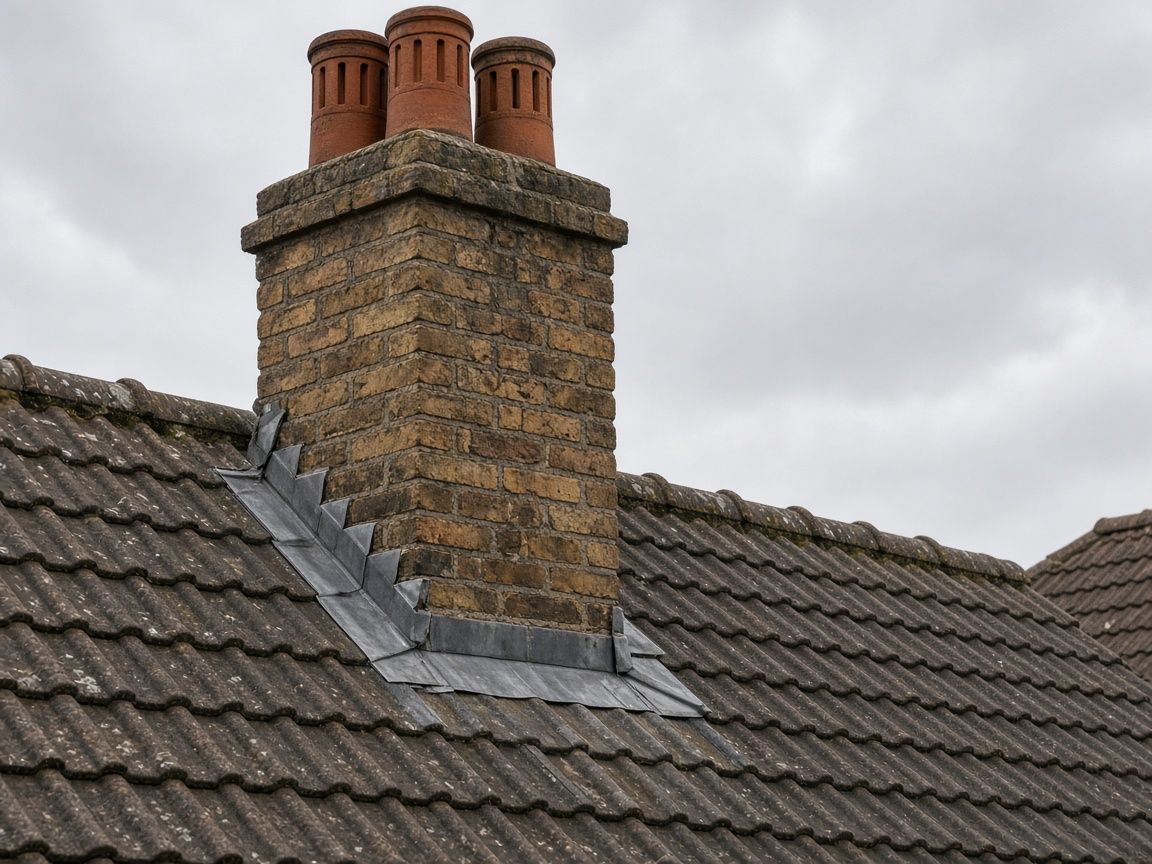
Chimneys and ridges are among the most common leak points on Hull roofs. We inspect the stack, flashings and ridge line before water reaches your ceilings.
Why this survey matters in Hull
Water rarely travels in a straight line from a failed chimney flashing. By the time staining appears indoors, masonry, felt and timber may already be wet. A focused chimney and ridge inspection checks pots, flaunching, pointing, leadwork, soakers and ridge bedding or mechanical systems so you can stop the problem at source.
Who it is for
- ✓ Homeowners with ceiling stains near chimney breasts
- ✓ Owners noticing crumbling mortar or leaning pots
- ✓ Buyers concerned about ridge movement after storms
- ✓ Landlords scheduling seasonal maintenance checks
What the survey includes
- ✓ Visual assessment of chimney stack stability and pointing
- ✓ Check of pots, cowls and flaunching condition
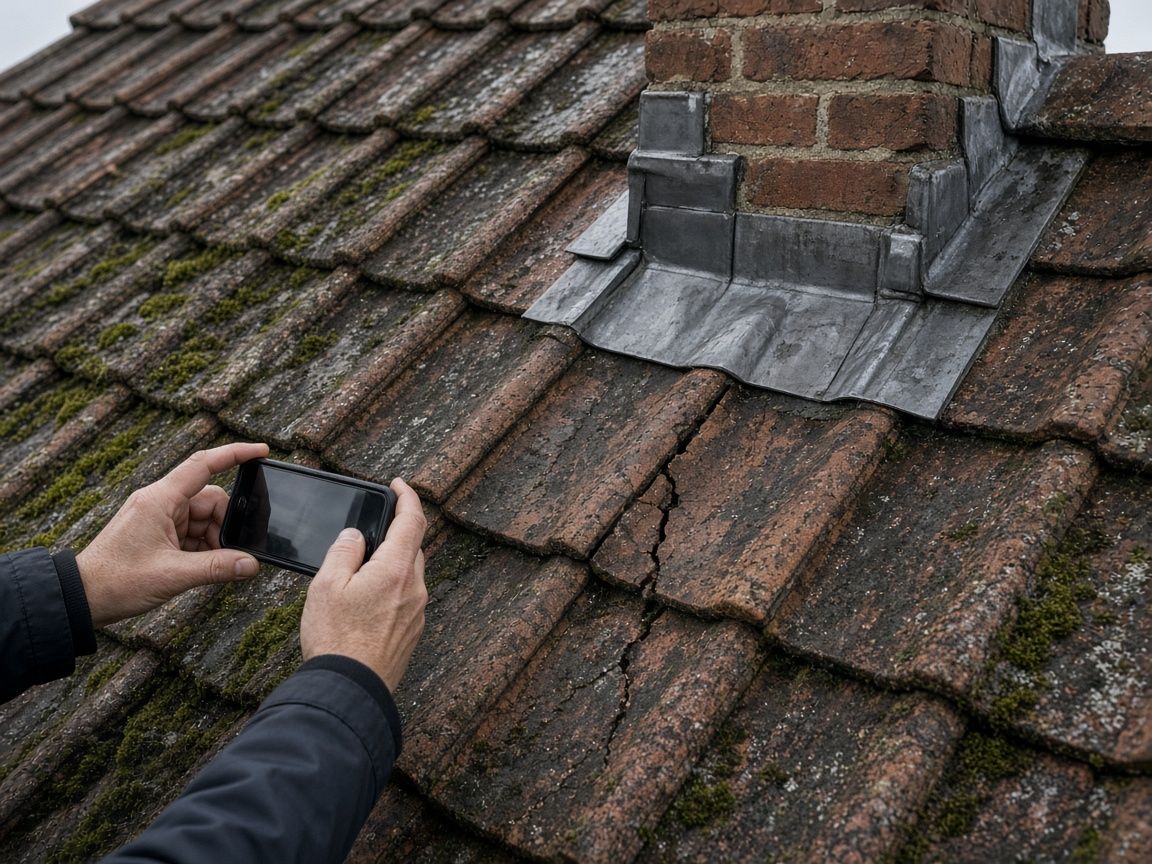
- ✓ Inspection of step flashings, cover flashings and soakers
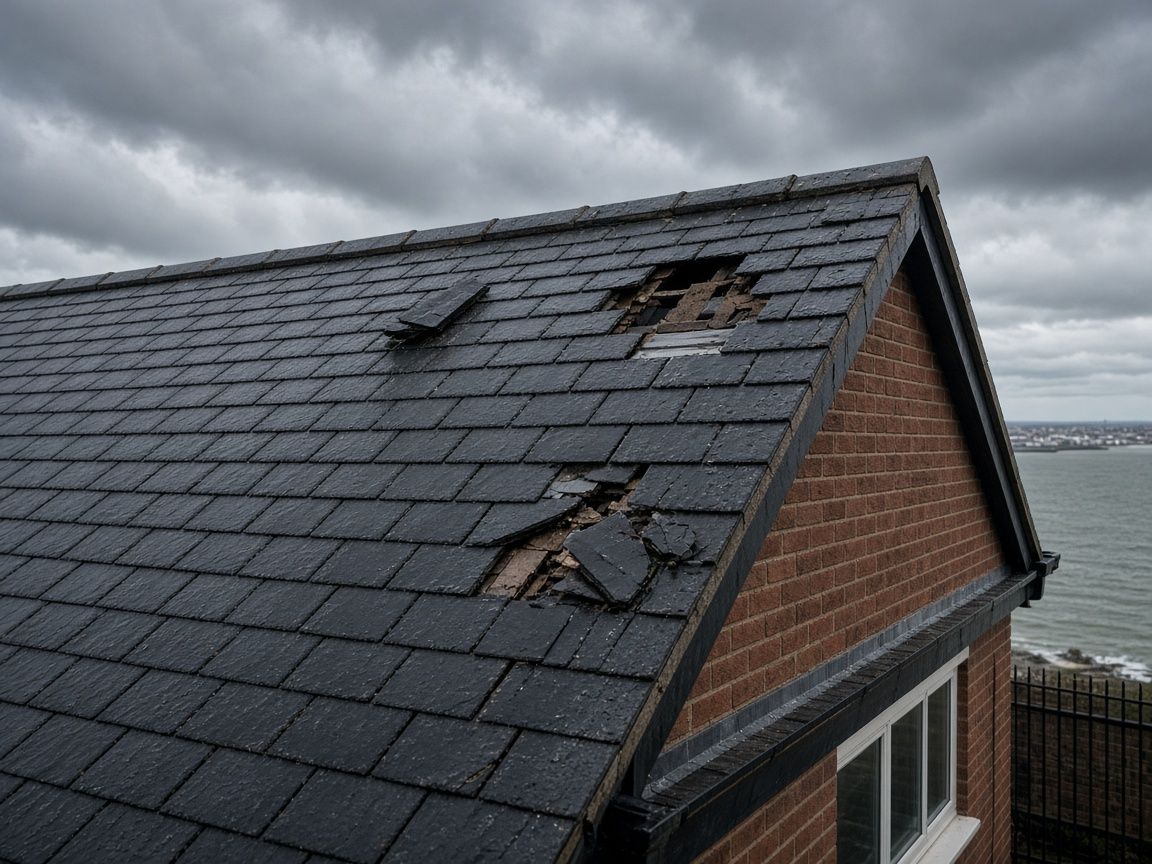
- ✓ Ridge and hip line review including cracked mortar or loose tiles
- ✓ Notes on abutment junctions with neighbouring roofs where visible
- ✓ Photographs highlighting priority defects
How the process works
STEP 01
Locate the symptoms
We discuss indoor staining, previous repairs and wind exposure on your street.
STEP 02
Inspect junctions closely
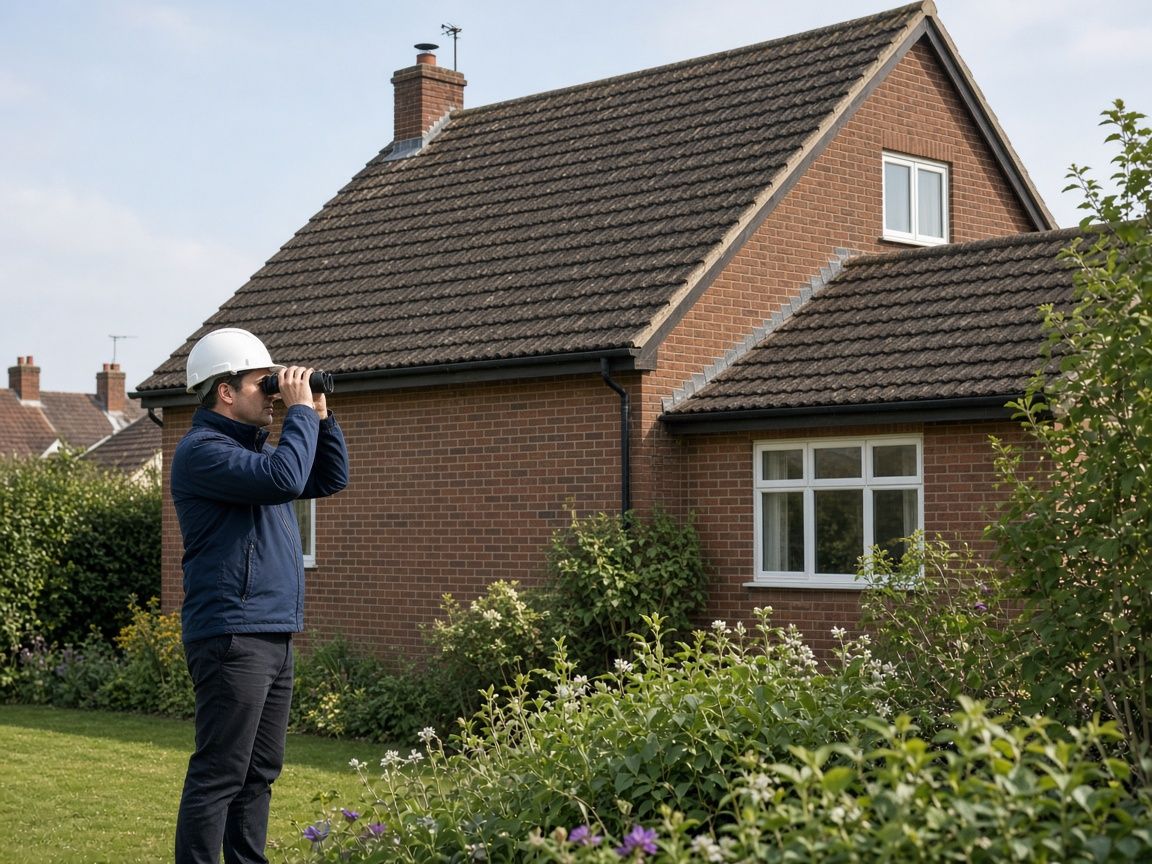
Chimneys, ridges and abutments are checked from safe vantage points, with drone support where useful.
STEP 03
Specify the fix
Your report explains whether leadwork, repointing, rebedding or more substantial stack work is needed.
Frequently asked questions
We use safe methods suited to the property. Where close access is unsafe, we use binoculars or drone imagery and state any limitations clearly.
Yes. Water can track through voids and appear far from the entry point, which is why junction inspections matter.
We inspect what is safely visible and note party-wall or neighbour implications where relevant.
Related roof survey services in Hull
Book Chimney & Ridge Inspections near you in Hull
This service is available across Hull and nearby towns. Open a local page for area-specific guidance, or book directly from this form.
- Roof survey in Cottingham
- Roof survey in Hessle
- Roof survey in Anlaby
- Roof survey in Willerby
- Roof survey in Kirk Ella
- Roof survey in Kingswood
- Roof survey in Bransholme
- Roof survey in The Avenues
- Roof survey in Victoria Dock Village
- Roof survey in Hedon
- Roof survey in Anlaby Park
- Roof survey in Newland
View all roof survey services · See every Hull area we cover